


Is Himalaya Radioactive?
By Adwaith Krishna Pratap
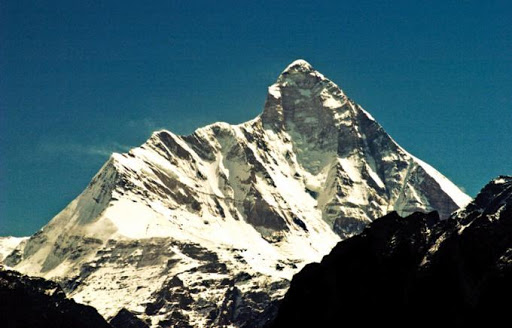
Some of you may have wondered about this headline. If you want to know “Is Himalaya radioactive?” you have to time travel to 16 October 1964. What happened in 1964? The first nuclear test in China. This nuclear test shook the world especially America. America was afraid of the growth of China so America planned to observatory that can detect radiation if China blasts a nuclear bomb.
The Operation is called “Operation Hat” Operation Hat began shortly after China's first nuclear bomb test in 1964. The US CIA, with the cooperation of the Indian government, planned an expedition to the Himalayas to plant a nuclear-powered monitoring station on the summit of 26,600-ft-high Nanda Devi, from where it would eavesdrop on the Chinese nuclear test program in over-the-border Xinjiang Province.
The Agency recruited several top US civilian climbers who, together with four of India's best climbers from the 1962 Everest expedition, formed the cadre of the ill-fated Operation Hat. Far from succeeding in eavesdropping on the top-secret Lop Nor nuclear test site, Operation Hat was destined to threaten one of the world's great rivers with plutonium contamination. The US climbers and their Indian colleagues set out up the south face of Nanda Devi in the autumn of 1965. A squad of porters carried the disassembled monitoring station, together with its SNAP power pack, on their backs. The SNAP - Space Nuclear Auxiliary Power - generator was a nuclear battery originally developed for the American civil and military space programs. Shaped like a cone, SNAP was fuelled by between one and eight pounds of plutonium, was small enough to be carried by one man, and would power the monitoring station until its task was completed. The CIA would then send a second expedition to retrieve the station, SNAP and all.
Some of you may have wondered about this headline. If you want to know “Is Himalaya radioactive?” you have to time travel to 16 October 1964. What happened in 1964? The first nuclear test in China. This nuclear test shook the world especially America. America was afraid of the growth of China so America planned to observatory that can detect radiation if China blasts a nuclear bomb.
The Operation is called “Operation Hat” Operation Hat began shortly after China's first nuclear bomb test in 1964. The US CIA, with the cooperation of the Indian government, planned an expedition to the Himalayas to plant a nuclear-powered monitoring station on the summit of 26,600-ft-high Nanda Devi, from where it would eavesdrop on the Chinese nuclear test program in over-the-border Xinjiang Province.
The Agency recruited several top US civilian climbers who, together with four of India's best climbers from the 1962 Everest expedition, formed the cadre of the ill-fated Operation Hat. Far from succeeding in eavesdropping on the top-secret Lop Nor nuclear test site, Operation Hat was destined to threaten one of the world's great rivers with plutonium contamination. The US climbers and their Indian colleagues set out up the south face of Nanda Devi in the autumn of 1965. A squad of porters carried the disassembled monitoring station, together with its SNAP power pack, on their backs. The SNAP - Space Nuclear Auxiliary Power - generator was a nuclear battery originally developed for the American civil and military space programs. Shaped like a cone, SNAP was fuelled by between one and eight pounds of plutonium, was small enough to be carried by one man, and would power the monitoring station until its task was completed. The CIA would then send a second expedition to retrieve the station, SNAP and all.

Operation Hat ran into the first of its many difficulties when the expedition encountered severe weather and rock conditions. 2,000 ft. from Nanda Devi's summit, the climbers decided to turn back, but not before they'd cached the monitoring station which would await their return - when conditions improved. The Operation Hat climbers ventured back up Nanda Devi in the spring of 1966, but were dumbfounded to discover that a winter avalanche had swept the spy station from the mountainside. The vital SNAP generator, and its plutonium, were now entombed under a mound of rock and snow the size of a Giza pyramid. The CIA and its Indian government partner were in a quandary. The southern slope of Nanda Devi, where SNAP lay buried, is a major source of headwater for the Ganges, the sacred river of 500 million Hindus. A holy bathing place for pilgrims was just a few km downstream from the SNAP site. If SNAP were to break open under the weight of the avalanche, there was a real risk that the hallowed waters of the Ganges would be polluted with deadly plutonium, and both the Agency and the Indian government would face the wrath of millions of people. Over the next two years, expeditions to locate and recover SNAP returned empty-handed. Eventually, after water sampling of the Ganges revealed no contamination, the decision was made to abandon SNAP in the hope that it would remain intact and that Operation Hat would remain a secret.
In 1967, Operation Hat finally scored a success. A second SNAP- powered spy station was placed on, and eventually retrieved from, the slopes of nearby Nanda Kot Mountain. The first SNAP is still there, entombed under thousands of tons of rubble. Many nuclear experts disagree with Morarji Desai. They say that the SNAP generator will eventually corrode and disintegrate, releasing plutonium into the headwaters of one of the world's great rivers.
So why is this matter important now?
7 February 2021, the sudden flood in the middle of the day in the Dhauli Ganga, Rishi Ganga and Alaknanda rivers all intricately linked tributaries of the Ganga triggered widespread panic and large-scale devastation in the high mountain areas. The disaster also raised fears of what is to come. Scientists, who said the breaking of a glacier in the middle of the winter is alarming
Officials blamed the flooding on a Himalayan glacier that broke, releasing a wall of water dammed up behind it. The water and debris gushed into the Ganges and swept away two hydroelectric dams. Although experts have pinned the glacier event on climate change, the residents of Raini, the village affected by the flood, have their own theory. But For decades, rumours have circulated about nuclear devices hidden in the surrounding mountains. After this month’s flood, many Raini residents concluded that these mysterious devices must have exploded. “How can a glacier simply break off in winter?” Sangram Singh Rawat, the headman of Raini, told the BBC. “We think the government should investigate and find the devices.”
Operation Hat ran into the first of its many difficulties when the expedition encountered severe weather and rock conditions. 2,000 ft. from Nanda Devi's summit, the climbers decided to turn back, but not before they'd cached the monitoring station which would await their return - when conditions improved. The Operation Hat climbers ventured back up Nanda Devi in the spring of 1966, but were dumbfounded to discover that a winter avalanche had swept the spy station from the mountainside. The vital SNAP generator, and its plutonium, were now entombed under a mound of rock and snow the size of a Giza pyramid. The CIA and its Indian government partner were in a quandary. The southern slope of Nanda Devi, where SNAP lay buried, is a major source of headwater for the Ganges, the sacred river of 500 million Hindus. A holy bathing place for pilgrims was just a few km downstream from the SNAP site. If SNAP were to break open under the weight of the avalanche, there was a real risk that the hallowed waters of the Ganges would be polluted with deadly plutonium, and both the Agency and the Indian government would face the wrath of millions of people. Over the next two years, expeditions to locate and recover SNAP returned empty-handed. Eventually, after water sampling of the Ganges revealed no contamination, the decision was made to abandon SNAP in the hope that it would remain intact and that Operation Hat would remain a secret.
In 1967, Operation Hat finally scored a success. A second SNAP- powered spy station was placed on, and eventually retrieved from, the slopes of nearby Nanda Kot Mountain. The first SNAP is still there, entombed under thousands of tons of rubble. Many nuclear experts disagree with Morarji Desai. They say that the SNAP generator will eventually corrode and disintegrate, releasing plutonium into the headwaters of one of the world's great rivers.
So why is this matter important now?
7 February 2021, the sudden flood in the middle of the day in the Dhauli Ganga, Rishi Ganga and Alaknanda rivers all intricately linked tributaries of the Ganga triggered widespread panic and large-scale devastation in the high mountain areas. The disaster also raised fears of what is to come. Scientists, who said the breaking of a glacier in the middle of the winter is alarming
Officials blamed the flooding on a Himalayan glacier that broke, releasing a wall of water dammed up behind it. The water and debris gushed into the Ganges and swept away two hydroelectric dams. Although experts have pinned the glacier event on climate change, the residents of Raini, the village affected by the flood, have their own theory. But For decades, rumours have circulated about nuclear devices hidden in the surrounding mountains. After this month’s flood, many Raini residents concluded that these mysterious devices must have exploded. “How can a glacier simply break off in winter?” Sangram Singh Rawat, the headman of Raini, told the BBC. “We think the government should investigate and find the devices.”


Comments